


Gerda was born in Poland in 1927, a child with the same simple dreams as any other—going to school, laughing with family, imagining a future that felt safe and full of possibility. That future was torn away in September of 1939, when Nazi forces invaded Poland and her childhood ended overnight.
By 1942, Gerda and her family were forced into a ghetto. Hunger became constant. Fear shaped every moment. Loss surrounded her. Each day brought the unrelenting question of whether she would survive to see the next. Childhood vanished, replaced by vigilance and grief no child should ever know.
In October of that year, Gerda made a choice no young person should have to make. She escaped—alone—into hiding. For nearly three years, until the war ended in 1945, she lived in fields and forests, surviving through silence, instinct, and a fierce will to live. She witnessed unspeakable cruelty and learned, far too young, how fragile life can be. And yet, even in the darkest moments, hope never fully left her.
Those years shaped Gerda forever. But they did not break her. Throughout her life, she carried forward a deep compassion for others and a belief in kindness—choosing humanity despite everything that had been taken from her.
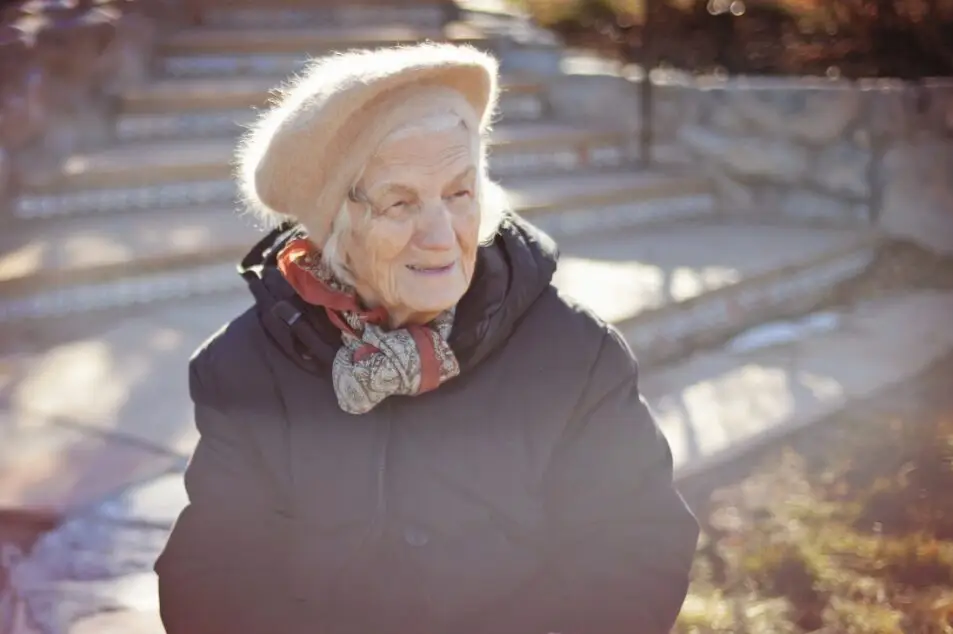
Now, nearly 100 years later, the weight of that early trauma has returned in new ways. The tasks of daily living that many of us take for granted are no longer easy. Remaining safely in her home—where her memories, independence, and dignity live—depends on consistent, compassionate support.
Because of JFCS East Bay’s Holocaust Survivor Support Services, Gerda is not facing this chapter alone. She is provided with essential home care that allows her to live with safety, comfort, and respect. She receives more than just services, she receives reassurance: that her life matters, that her story is remembered, and that the strength she showed the world is being met with care in return.